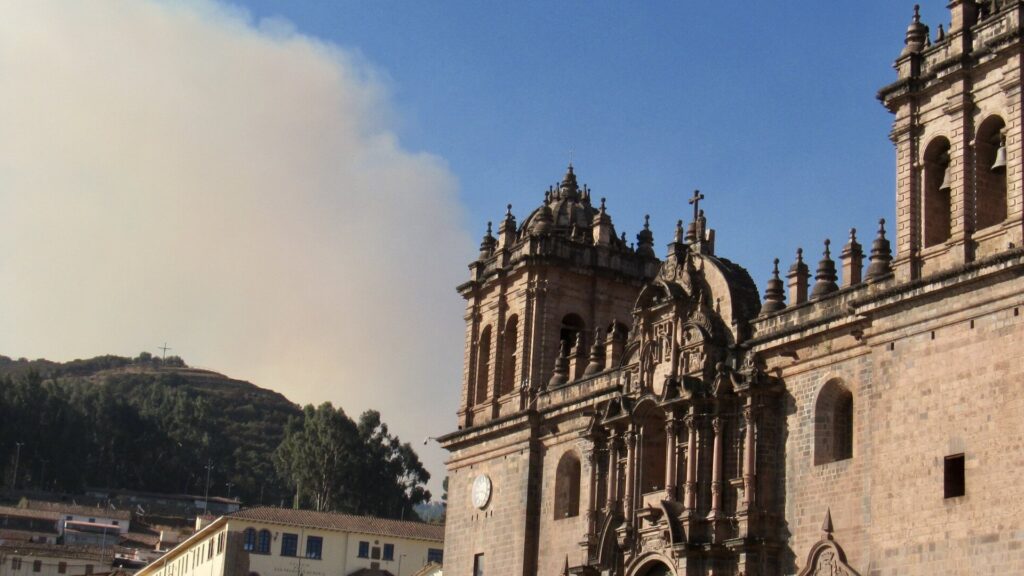

The past plays a major role in the cities of Potosí and Sucre. Potosí was one of the largest and richest cities in the world in the seventeenth century due to its silver mines, although not all residents have profited from this wealth. Sucre is particularly known as the constitutional capital of Bolivia, the city where independence was declared in 1825 and the Republic of Bolivia was founded. Due to their history and their beautiful centre, both cities are on the UNESCO World Heritage List.
The city of Potosí is located at an altitude of almost 4100 metres, making it the highest city in the world. The centre of Potosí has many churches and a number of the church towers can be climbed for a beautiful view. In addition to the Casa de la Moneda museum, an excursion to the silver mines of Cerro Rico is recommended.
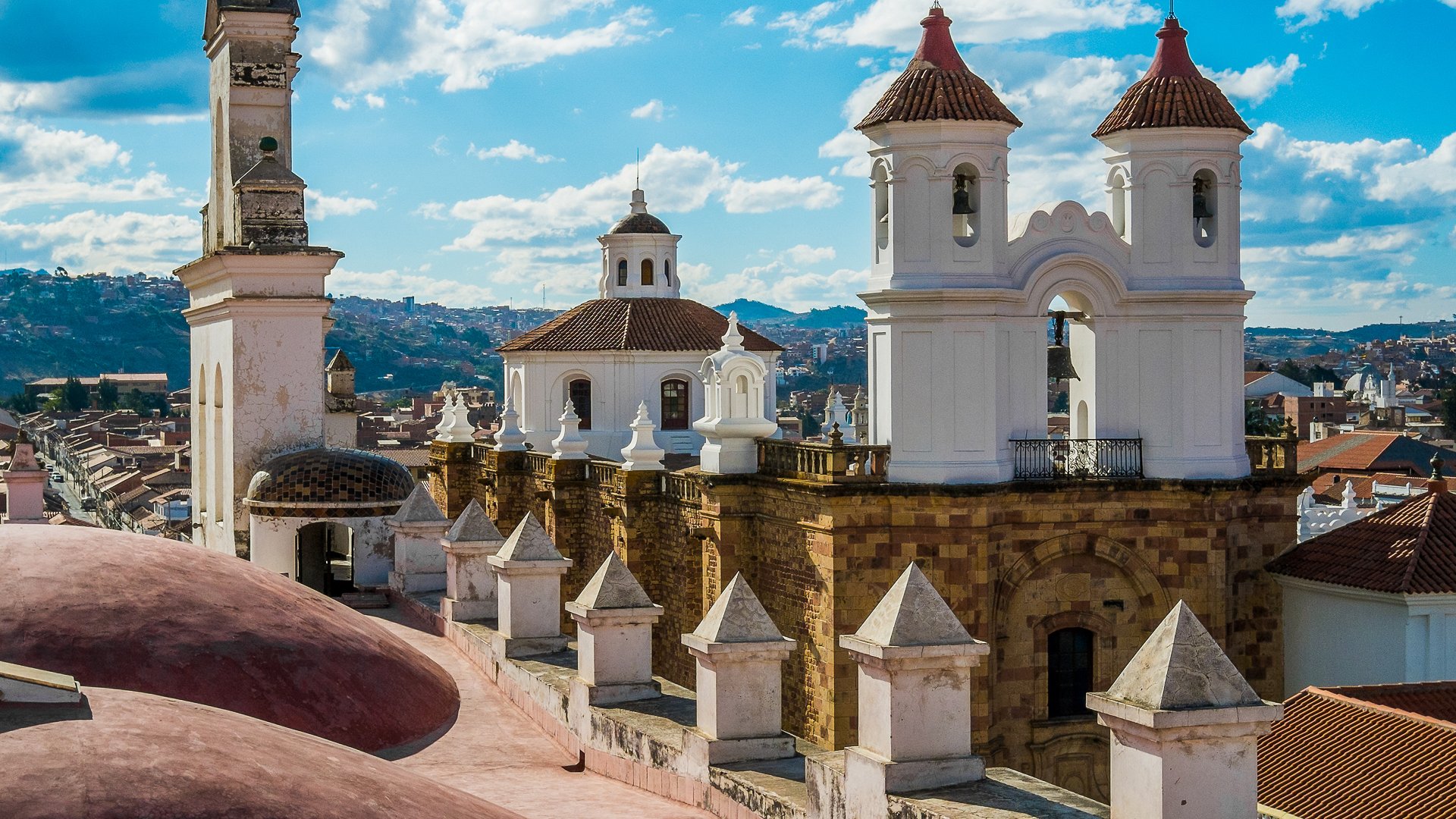
In contrast to Potosí, the city of Sucre is much lower and this is noticeable in the much more pleasant climate. The city is also called the ‘White City’ because many colonial buildings in the center are white. From Sucre, several excursions can be made in the area. The most famous is the one to the colorful market of Tarbabuco, a village about 2 hours from Sucre.
Below is an example of what the days in Potosí and Sucre can look like:
Day 1 – By bus from Uyuni to Potosí
In the morning you travel by bus from Uyuni to Potosí, a journey of about 4 hours. The journey between these 2 cities is so beautiful that traveling with a private driver, so that you can stop where you want, is worth considering. This does come at an additional cost. On this route you travel along desolate plains, but you also pass red sandstone hills, babbling rivers and through small rural villages.
The city of Potosí is on the UNESCO lists for its colonial buildings and impressive history. The city’s residents say that it is the highest city in the world. The city is located at the foot of the Cerro de Potosí, also called the Cerro Rico (the Rich Mountain), where silver was once mined. The city itself is located at an altitude of 4,100 meters.
If you are not too claustrophobic, you could consider visiting the mines with a local guide (often a former miner himself). We often hear that the excursion in the mines made an impression. On the one hand, you meet miners who are proud of their work. On the other hand, you experience the hard life of those same miners who often do not grow old.
An interesting museum with its entrance at the central square of Potosí is la Casa Real de la Moneda (House of the Mint). In this museum you get a good impression of how the city flourished in colonial times.
Day 2 – By bus to Sucre
In the afternoon you take the bus to Sucre. This is a journey of about 2 hours. On this route it is also possible to use a private driver. The advantage of this is that you can travel to Sucre at any time.
Day 3 and 4 – Two free days in beautiful colonial Sucre
Two free days in Sucre. The city is located in the south of the country at an altitude of 2800 meters. Most colonial buildings in the city center are white and that is why the city has the nickname ‘the White City’. With its narrow streets, Sucre looks very much like a colonial Spanish city. The Andalusian culture has had a great influence on many of the houses and churches in the city through the architecture.
Thanks to the well-preserved center from the 18th and 19th century, the city attracts many tourists every year. Sucre is a city between a large number of villages from the colonial period. Tarabuco is the most famous of these and every Sunday there is a large market where you can buy beautiful rugs, souvenirs, etc. made by the locals from the area.
There are a number of beautiful churches and museums to visit in Sucre. Places to visit include el Monasterio (monastery) la Recoletta and la Casa de la Libertad, the place where the declaration of independence for Bolivia was signed.
In the center of Sucre you will see a number of nice markets, where the locals themselves do most of their shopping. There are also many cheap eateries on the market where you will see many locals having breakfast or lunch. Treat yourself to a delicious jugo (fruit juice) that is prepared for you on the spot or a tamale, a savory, steamed corn dough roll, wrapped in a corn leaf.
Day 5 – Domestic flight to La Paz
Today you will fly from Sucre to La Paz in the morning.